December in Queensland means sunshine, jacarandas, and Christmas excitement. But it also means mountains of single-use decorations ending up in landfills before the new year begins.
At Sorella Early Learning in Griffin, we believe Christmas can be magical and beautiful without compromising our commitment to the environment. We’re raising children who will inherit this planet—teaching them to celebrate mindfully isn’t just nice, it’s necessary.
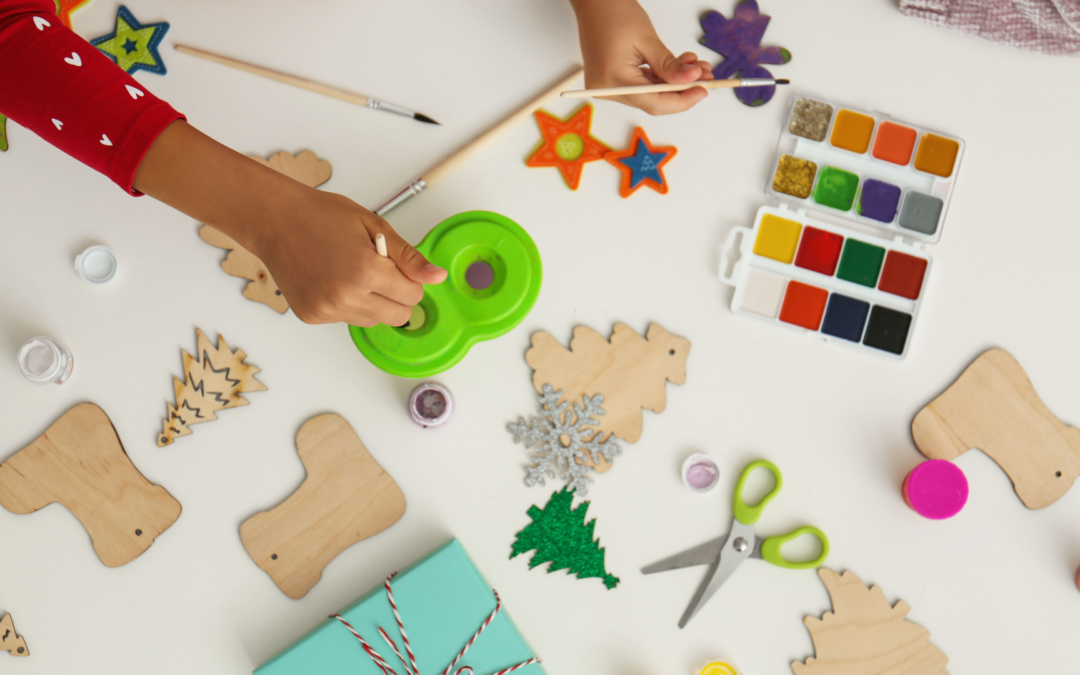
This isn’t about taking fun out of Christmas or creating guilt. It’s about discovering that sustainable decorations can be more meaningful, creative, and memorable than anything shop-bought. It’s about children creating treasures from natural materials while developing environmental awareness alongside festive joy.
Why Sustainable Christmas Matters
The environmental impact is significant. Millions of plastic decorations are purchased, used briefly, and then discarded. Most are made from fossil fuel-derived plastic, manufactured overseas, shipped thousands of kilometres, used for weeks, then stored or thrown away.
Early childhood is when environmental values form. Children who learn to create rather than consume, value natural materials, reuse and repurpose, and think about waste carry these values into adulthood.
Creativity beats consumption. Children who make their own Christmas ornaments develop fine motor skills and creativity, feel genuine pride, learn that joy doesn’t require spending money, and build memories connected to making, not buying.
Natural Materials: Bringing the Outside In
Queensland’s natural environment provides abundant, free, beautiful materials for Christmas decorations.
Collecting Mindfully
We take children on nature walks to collect:
- Fallen leaves, seed pods, twigs, branches
- Pine cones (if available locally)
- Gum nuts and seed cases
- Bark pieces, flowers, grasses
Important: Only take what’s already fallen, never pick from living plants. Taking only what we need, leaving plenty for wildlife. This collecting becomes educational—observing nature, understanding seasons, and respecting ecosystems.
Natural Decorations We Create
Eucalyptus garlands – Stringing gum leaves on natural twine. Fragrant and beautifully Australian.
Pinecone ornaments – Painted tips, biodegradable glitter, hung with twine.
Twig stars – Five similar twigs bound together with twine.
Leaf wreaths – Cardboard circles decorated with glued gum leaves, seed pods, and berries.
Seed pod baubles – Larger pods painted, glittered, and hung.
Branch Christmas trees – Branches arranged in tree shapes on walls instead of plastic trees.
Dried orange garlands – Sliced oranges dried slowly, then threaded. Beautiful and fragrant.
Pressed flowers – Flowers pressed throughout the year become decorations, sun catchers, and bookmarks.
Natural decorations are temporary (and that’s okay—they compost). This teaches impermanence and natural cycles.
Recycled and Upcycled Creations
Before anything goes into recycling at Sorella, we ask: “Could this become Christmas magic?”
Paper and Cardboard
Cardboard boxes become flat Christmas trees for walls, 3D standing trees, or display stands.
Toilet paper rolls transform into sliced flower/snowflake rings, painted characters (Santa, reindeer), or glittered baubles.
Newspapers and magazines create paper chains, folded stars, rolled beads, or decoupage ornaments.
Egg cartons cut and painted become beautiful flowers for wreaths or garlands.
Bottle caps turn into mini wreaths, snowflake centres, or stamped ornaments.
Glass, Fabric, and More
Mason jars become snow globes (with biodegradable glitter) or lanterns with battery tea lights.
Wine bottles painted or used as vases for fresh greenery.
Scrap fabric cut into triangles for colourful bunting.
Old socks filled with rice become adorable snow people.
Denim from old jeans cut into rustic ornaments.
What we love: They cost nothing, prevent waste, each is unique, children see “rubbish” transformed into beauty, and creativity is unlimited.
Edible Decorations: Beautiful and Biodegradable
Gingerbread ornaments – Children help make dough, cut shapes, and decorate. Smells incredible, can be eaten or composted.
Popcorn and cranberry garlands – Traditional threading activity building fine motor skills. Birds can eat them when removed outside.
Sugar cookies – Cut in festive shapes, decorated beautifully, hung on trees, and eventually eaten.
Orange pomanders – Oranges studded with cloves. Smell wonderful, dry naturally, and compost easily.
Dried fruit ornaments – Dehydrated orange, lemon, and apple slices hung individually or in garlands. Completely compostable.
Make fresh each year, keep away from pets, accept deterioration, and compost what isn’t eaten.
Sustainable Decoration Practices
Buying mindfully when necessary:
- Choose quality over quantity
- Select natural materials (wood, felt, paper) over plastic
- Support local artisans
- Choose items that last years
Storage and reuse:
- Store carefully in reusable containers
- Repair rather than replace
- Donate what you no longer use
- Keep only what you’ll display
Wrapping sustainably:
- Fabric wraps (furoshiki)
- Newspaper decorated with stamps
- Brown paper with natural twine
- Reusable gift bags
- Children’s artwork as wrapping
- Skip wrapping for some gifts
End-of-season:
- Compost natural decorations
- Recycle cardboard and paper
- Donate unused items
- Store quality pieces
- Landfill only as a last resort
Teaching Environmental Awareness Through Christmas
Sustainable decorating becomes a teaching opportunity.
Conversations we have:
- “Where do things go when we throw them away?”
- “Why do we only take fallen leaves?”
- “Could we make this instead of buying it?”
- “These orange slices will compost and help new plants grow.”
Books that support environmental awareness: “The Lorax,” “Where the Forest Meets the Sea,” “Window,” “One Plastic Bag,” “Michael Recycle”
Age-appropriate concepts:
- Toddlers: Gentleness with nature, putting rubbish in bins, caring for living things
- Preschoolers: Recycling vs rubbish, where materials come from, reusing, composting
- School-age: Climate change basics, plastic pollution, conservation, sustainable choices
Practical Ideas for Families
This week: Take a nature walk, save toilet rolls and boxes, and start a craft materials collection.
This month: Make one batch of natural decorations, create edible ornaments, craft from recycled materials.
This year: Establish creating traditions, build a reusable decoration collection, and teach environmental impact.
Long term: Move toward a fully sustainable Christmas, build family traditions around making, not buying, recognise that progress matters more than perfection.
Our Commitment at Sorella
Environmental sustainability isn’t just a December focus at our Griffin centre—it’s woven through everything year-round.
Our practices: Reducing single-use plastics, composting, recycling and upcycling, teaching environmental awareness daily, connecting children with nature, and modelling sustainable choices.
During Christmas: Creating decorations from natural and recycled materials, avoiding new plastic decorations, composting what we can, involving children in sustainability decisions, making environmental awareness joyful, not burdensome.
The Beauty of Imperfection
Our sustainable decorations aren’t perfect. They’re wonky, imperfect, fragile, unique, and absolutely meaningful.
The cardboard tree isn’t straight. The gum leaf garland is uneven. The orange slices are different sizes. The twig stars are asymmetrical.
But they were made with care, creativity, and learning. They tell stories. They represent values we’re teaching.
That’s worth more than any mass-produced perfection.
Join Our Sustainable Journey
See how we integrate environmental awareness into daily learning at Sorella Early Learning, 32 Tesch Rd, Griffin.
Watch children create beauty from natural materials, transform “rubbish” into treasures, and develop environmental values alongside developmental skills.
Call 07 2111 6711 to arrange a tour or check sorellaearlylearning.com.au to learn more.
Because teaching children to care for the planet is as fundamental as teaching them to read, count, or make friends—it’s preparing them for the future they’ll inherit.
This Christmas, let’s create beauty, build memories, and celebrate joyfully while honouring the environment that makes life possible.
Recommended Resources on Sustainable Practices and Environmental Education
Australian Environmental Organisations:
- Clean Up Australia
https://www.cleanup.org.au/
Resources on reducing waste, environmental education, and sustainable practices for families and educators. - Australian Conservation Foundation
https://www.acf.org.au/
Information on environmental issues, sustainable living, and taking action for the environment. - Queensland Government – Sustainability
https://www.qld.gov.au/environment/
State resources on environmental education, waste reduction, and sustainable practices.
Environmental Education for Children:
- Cool Australia – Environmental Education
https://www.coolaustralia.org/
Curriculum-aligned environmental education resources for early learning through secondary school. - Sustainability Victoria – Schools Program
https://www.sustainability.vic.gov.au/
Although Victorian, provides excellent resources applicable across Australia on sustainability education. - Little Green Steps
https://littlegreensteps.com.au/
Australian website dedicated to sustainable living with children, including craft ideas and environmental education.
Sustainable Christmas Specific:
- 1 Million Women – Sustainable Christmas
https://www.1millionwomen.com.au/
Australian women’s environmental movement with excellent sustainable Christmas resources. - Sustainable Salons – Recycling Programs
https://sustainablesalons.org/
Australian program showing creative recycling and upcycling approaches applicable to decorations.
Craft and Activity Ideas:
- Kidspot – Eco-Friendly Crafts
https://www.kidspot.com.au/things-to-do/activity-articles/
Australian parenting site with sustainable craft ideas and natural material activities. - Planet Ark – Environmental Education
https://www.planetark.org/
Australian organization promoting environmental sustainability with resources for families and educators.
These resources support sustainable practices and environmental education in early childhood settings and homes.