The April school holidays are just around the corner — and while a break from the regular routine is something every family looks forward to, it can also bring a few unexpected challenges, especially for young children who thrive on structure and predictability.
At Sorella Early Learning, we know that routines are more than just timetables — they are a powerful source of security, comfort, and confidence for young children. The good news is that maintaining a sense of routine over the holidays doesn’t mean sacrificing the fun. With a little planning and flexibility, the April break can be both relaxed and wonderfully enriching.
🧠 Why Routines Matter So Much for Young Children
Young children experience the world very differently from adults. When children know what to expect — when mealtimes, rest, and play follow a familiar rhythm — they feel safe, regulated, and ready to learn. Disruptions to routine, even enjoyable ones like holidays, can sometimes lead to increased emotional sensitivity, trouble sleeping, and changes in behaviour.
This isn’t a sign that something is wrong — it’s simply a child communicating that their world feels different right now. Understanding this helps families respond with warmth and intentionality rather than frustration.
🌟 Sorella Tip
You don’t need a minute-by-minute schedule over the holidays — but keeping the “anchors” of the day consistent (wake time, mealtimes, nap or rest time, and bedtime) gives children the predictability they need to feel secure and settled.
⚓ The Four Routine Anchors to Keep in Place
- 🌅 Morning Wake Time — A consistent wake time helps regulate the body clock and sets a positive tone for the whole day ahead.
- 🍽️ Mealtimes — Regular, predictable mealtimes support healthy eating habits and give the day a natural, reassuring rhythm.
- 😴 Rest & Nap Time — Even children who have outgrown napping benefit from a quiet rest period — it supports emotional regulation and focus.
- 🌙 Bedtime Routine — A consistent wind-down sequence — bath, stories, bed — signals to the brain that sleep is coming, making bedtimes smoother for everyone.
🗓️ Creating a Relaxed Holiday Rhythm
Think of your holiday routine as a gentle structure rather than a strict schedule. Instead of planning every hour, try organising each day around three simple zones: a morning activity, a midday rest or quiet time, and an afternoon adventure. This gives children just enough predictability to feel secure while leaving plenty of room for spontaneity and fun.
Even simple visual cues — like a hand-drawn daily chart with pictures that children can help create — give young children a sense of ownership and calm. When children can “see” what’s coming next, anxiety decreases and cooperation tends to follow naturally.
🌿 Enriching Holiday Activities That Support Routine
The best holiday activities are those that feel special but also slot naturally into the rhythm of the day. Here are some ideas that align beautifully with the Sorella approach:
- Morning nature walks — a short walk after breakfast connects children with the outdoors and burns energy early in the day.
- Cooking a simple lunch together — involving children in meal preparation builds life skills while keeping mealtimes meaningful.
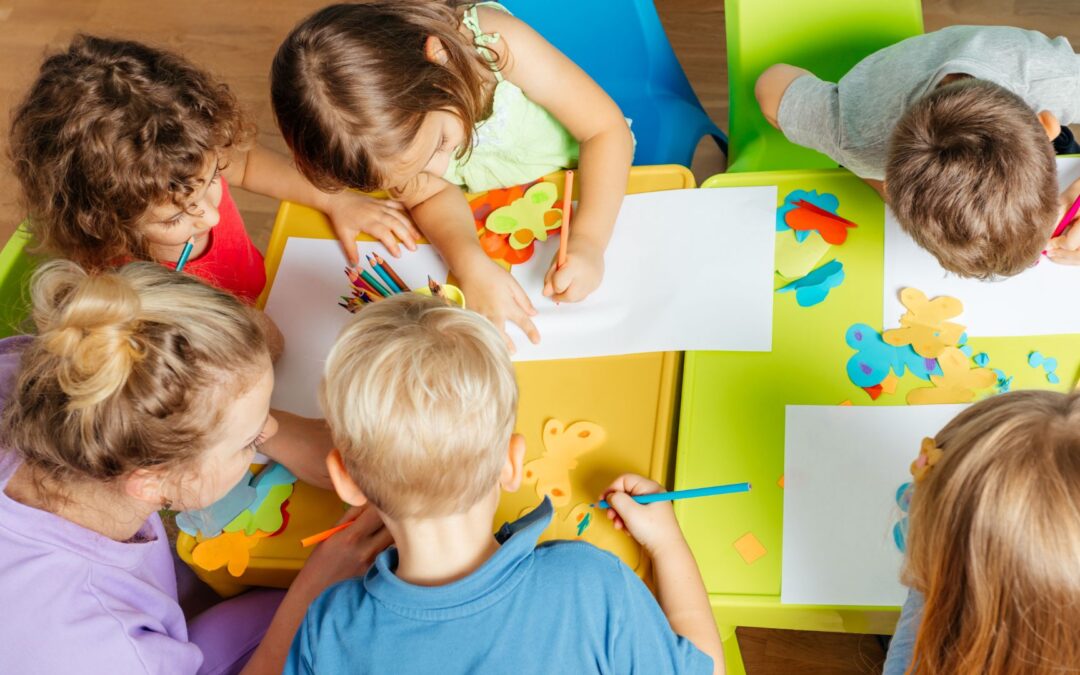
- Afternoon creative time — drawing, painting, or building after rest time gives children a calm, purposeful outlet for their energy.
- Bedtime story ritual — choose a new book each night of the holidays to make bedtime something children look forward to.
- Screen-free mornings — keeping the first part of the day screen-free encourages imaginative play and sets a calmer mood for the hours ahead.
💛 A Note on Flexibility
Holidays are also meant to be enjoyed — and some days, routines will slip, and that’s completely okay. The goal isn’t perfection; it’s consistency over time. One late night or a skipped nap won’t undo the good work of a generally well-structured break. Give yourself and your family grace, and gently reset the following day.
🔄 Transitioning Back After the Break
As the April holidays draw to a close, a gentle wind-back to the regular routine in the final day or two makes the return to early learning much smoother for children — and for families. Try reinstating regular wake times, mealtimes, and bedtimes a couple of nights before the first day back, and talk positively with your child about returning to their friends and educators at Sorella.
Children take their emotional cues from the adults around them. When families approach the end of the holidays with calm positivity, children are far more likely to transition back with ease and excitement.
🍂 From all of us at Sorella Early Learning, we wish your family a wonderful, restful, and joy-filled April break. We can’t wait to welcome your children back through our doors refreshed and ready to explore!
Further Reading & Sources
- Routines for Young Children – Raising Children Network (Australia)
- Every Child Magazine – Early Childhood Australia
- National Quality Standard – ACECQA
- Keeping Routines During School Holidays – Goodstart Early Learning
- Why Routines Matter for Children – Bright Horizons
- Predictability and Routines – American Academy of Pediatrics (HealthyChildren.org)
Helping Children Transition Back to Care – C&K Early Childhood Education