blank
Future Skills Development: Preparing Children for Tomorrow

Future Skills Development: Preparing Children for Tomorrow

The world our children will grow up to lead looks very different from the one we knew. So what does it really mean to prepare young children for tomorrow — and how does it all begin in the earliest years of life?

At Sorella Early Learning in Griffin, we believe the seeds of tomorrow’s skills are planted today. Through our play-based programs, our unique Sorella Seedlings Life Skills Program, and the nurturing guidance of our qualified educators, we intentionally weave future-ready skills into every interaction, every activity, and every moment of the day.

“Play is the work of childhood.”

— Jean Piaget, developmental psychologist

🌍 What Are “Future Skills”?

Future skills — sometimes called 21st-century skills — go beyond reading and writing. They include the ability to think critically, collaborate with others, communicate ideas clearly, solve problems creatively, and adapt to change with confidence. Importantly, research tells us that the foundations for all of these skills are laid in the very first years of life.

This is why high-quality early childhood education is one of the most powerful investments a family — and a society — can make.

🧩 The Four Skills We Nurture Every Day

  • 🤔 Critical Thinking — Open-ended questions, problem-solving play, and exploration encourage children to reason, wonder, and work things out for themselves.
  • 🤝 Collaboration & Empathy — Group play, conflict resolution, and community experiences teach children to listen, share, and value perspectives different from their own.
  • 🎨 Creativity & Innovation — Art, storytelling, construction, and imaginative play build the capacity to think in new ways and approach challenges with an open mind.
  • 💬 Communication — Rich language environments, literacy experiences, and expressive arts build the verbal and non-verbal communication skills children will use for life.


🌿 How the Sorella Seedlings Life Skills Program Makes a Difference

Our signature Sorella Seedlings Life Skills Program is at the heart of what makes our approach unique. Rather than focusing solely on academic readiness, this program intentionally cultivates the practical, emotional, and social life skills that children will carry with them well beyond the classroom.

From learning to manage emotions and navigate friendships, to developing independence, resilience, and self-confidence — the Seedlings program plants the kind of deep roots that allow children to truly flourish, whatever their future holds.

🌟 From Our Educators

When a child figures out how to solve a conflict with a friend, builds a tower that keeps falling and tries again, or finds their own creative solution to a challenge — that’s future skills development happening in real time. It doesn’t look like a worksheet. It looks like play.

👨‍👩‍👧 What Families Can Do at Home

Future skills development doesn’t stop at our gate. Here are simple ways to nurture these skills in everyday family life:

  • Ask open-ended questions — “What do you think will happen if…?” builds critical thinking naturally.
  • Let children problem-solve — resist the urge to jump in immediately. A moment of struggle builds resilience.
  • Encourage unstructured play — free play without screens is where creativity and imagination thrive.
  • Talk about feelings — naming emotions builds the emotional intelligence children need to connect and collaborate.
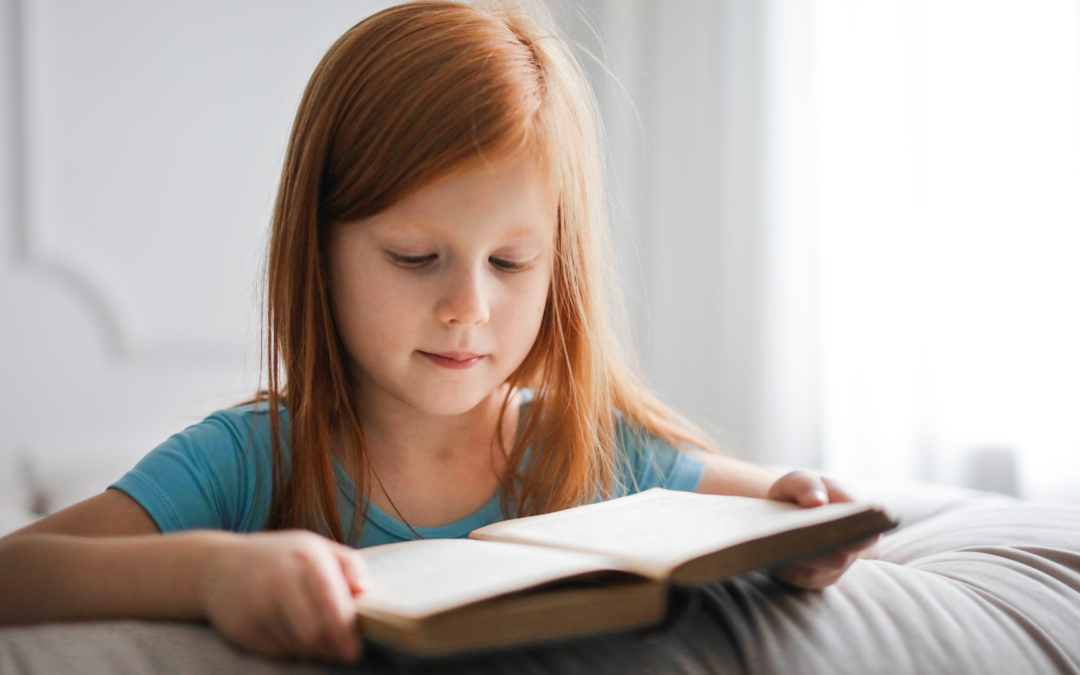
  • Read together daily — books are the single greatest tool for building language, empathy, and curiosity.


At Sorella Early Learning, we are proud to be your partner in this journey — from our family to yours. The future is bright, and it starts right here, in the everyday moments of joy, wonder, and growth that we share together.

🌱 Curious about our programs or the Sorella Seedlings Life Skills approach? We’d love to welcome your family. Book a tour or get in touch with our team in Griffin today.


Further Reading & Sources

Nature’s Love: February Environmental Education

Nature’s Love: February Environmental Education

February is the month of hearts, love, and connection—and what better time to extend that love to the world around us? At our early learning centres, we know children are naturally curious about nature, and nurturing that curiosity helps them build a lifelong connection to the environment.

This month, we’re celebrating Nature’s Love—planting gardens, creating nature-inspired art, caring for wildlife, and exploring the little wonders all around us. Through these experiences, children learn that caring for the Earth is just another way of showing love and responsibility.


Why Environmental Education Matters

The early years are a critical time for developing environmental awareness. Experiences in nature shape lifelong attitudes—children who fall in love with the outdoors are more likely to grow into adults who care for and protect the planet.

Environmental education isn’t just about recycling or learning about animals. It’s a whole-child approach, blending knowledge, curiosity, creativity, and practical skills. Hands-on experiences in nature help children think critically, solve problems, and understand their connection to the world around them.


The Benefits of Nature Play

  • Cognitive Development: Nature encourages exploration, problem-solving, and scientific inquiry. Observing leaves, water, and wildlife sparks curiosity and creative thinking.
  • Physical Health: Climbing, digging, balancing, and collecting treasures strengthen muscles, coordination, and overall fitness.
  • Emotional and Social Growth: Outdoor play calms, nurtures self-regulation, and builds cooperation, empathy, and teamwork.
  • Language Development: Describing textures, colours, patterns, and discoveries expands vocabulary naturally.

Celebrating Nature’s Love: Activities for February

Loving the Earth

  • Plant a Heart-Shaped Garden: Children help plant and care for flowers or vegetables in heart-shaped beds, learning responsibility and nurturing living things.
  • Nature Love Letters: Create leaf collages, bark rubbings, or flower pressings as “love letters” to nature.
  • Adopt a Tree: Each child chooses a tree to visit and observe throughout the year, building a personal connection.

Environmental Stewardship

  • Litter Love: Gentle clean-up walks show children that caring for nature is something they can actively do.
  • Wildlife Care Stations: Bird feeders, insect hotels, and water stations teach compassion and interdependence.
  • Composting Hearts: Collecting food scraps for composting introduces children to decomposition and waste reduction.

Sustainability Learning

  • Water Conservation: Explore where water comes from, how we use it, and ways to save it.
  • Reduce, Reuse, Recycle: Turn craft projects into upcycled creations, showing that beautiful things don’t need to be new.
  • Energy Awareness: Learn how sunlight provides energy, warmth, and light for all living things.

Nature Play in Queensland

Queensland’s climate allows for year-round outdoor learning, but sun safety is essential:

  • Schedule outdoor activities outside peak UV times
  • Provide shade, hats, SunSmart clothing, and SPF 30+ sunscreen

Queensland’s beaches, bushland, rainforests, and gardens are natural classrooms. Even playgrounds and community gardens become rich learning environments when educators guide exploration. Organisations like Nature Play Queensland support educators in creating authentic, unstructured nature experiences.

Engaging Families

Take-Home Nature Challenges:

  • Spot five different leaf shapes on a walk
  • Listen for three different bird calls
  • Create art from natural materials
  • Enjoy a picnic without disposable items

Family Nature Walks: Weekend walks in local parks encourage families to explore together, building connections and reinforcing learning at home.

Sustainable Tips for Home: Reduce packaging, start composting, grow vegetables, save water, or choose reusable products—practical actions that extend learning beyond the centre.

A Celebration of Nature’s Love

This February, we’re celebrating love for the Earth and the natural world. By nurturing curiosity, teaching responsibility, and modelling sustainable practices, we help children grow into thoughtful, caring stewards of the planet.

When children fall in love with nature through play and exploration, they gain the motivation to protect it. Environmental education isn’t just an “extra” activity—it’s a vital part of early childhood development.

Let February be a celebration of Nature’s Love—for the Earth, and for the love we cultivate in young hearts for the environment that sustains us all.


Sources

Queensland Government Resources:

  1. Nature Play Queensland
    https://natureplayqld.org.au/
  2. Queensland Government – Creating Effective Outdoor Learning Spaces
    https://earlychildhood.qld.gov.au/sector-news-and-resources/news-for-educators-and-service-providers/creating-effective-outdoor-learning-spaces
  3. Queensland Early Childhood Sustainability Network (QECSN)
    https://qecsn.org.au/
  4. ACECQA – Sustainability in Children’s Education and Care
    https://www.acecqa.gov.au/latest-news/blog/sustainability-childrens-education-and-care
  5. Early Years Learning Framework V2.0 (2022)
    https://www.acecqa.gov.au/sites/default/files/2023-01/EYLF-2022-V2.0.pdf
  6. Queensland Kindergarten Learning Guideline
    https://www.qcaa.qld.edu.au/kindergarten/qklg
  7. Australian Institute of Family Studies – Nature Play and Child Wellbeing
    https://aifs.gov.au/resources/policy-and-practice-papers/nature-play-and-child-wellbeing

This February, let’s celebrate nature’s love and nurture the next generation of environmental stewards. Contact us to learn more about our nature-based programmes and commitment to environmental education.


Musical Hearts: February Songs & Rhythm at Sorella

Musical Hearts: February Songs & Rhythm at Sorella

February is a time for love, kindness, and connection — and at Sorella Early Learning, it’s also a wonderful opportunity to explore music and rhythm with children. Music is so much more than fun background noise; it plays a powerful role in supporting children’s learning, development, and wellbeing.

Why Music Matters in Early Learning

Through songs, movement, and rhythm, children develop skills that support the whole child:

  • Cognitive development: Music strengthens memory, attention, language development, and pattern recognition, supporting EYLF Outcome 4 as children learn to think, explore, and problem-solve.
  • Physical development:
    • Fine motor skills grow through clapping, finger plays, and playing instruments.
    • Gross motor skills are supported through dancing, marching, and action songs.
  • Language development: Songs introduce new vocabulary, action words, and rhythm in language, building confidence in communication.
  • Social and emotional growth: Music helps children express feelings, practise cooperation, build relationships, and experience joy together.

Valentine-Themed Songs to Try at Home

You may hear these songs being sung around the centre — they’re favourites for a reason!

“I Have a Red Heart” (Tune: Frère Jacques)
I have a red heart, a red heart, a red heart
I have a red heart that I will give to you

“I’m a Little Valentine” (Tune: I’m a Little Teapot)
I’m a little Valentine, red and white
With ribbons and lace, I’m a beautiful sight
I can say “I love you” on Valentine’s Day
Just put me in an envelope and give me away

We also enjoy counting songs like “Five Pretty Valentines”, which blend music with early maths concepts.

Learning Rhythm Through Play

Children explore rhythm in playful, hands-on ways, including:

  • Heartbeat activities: Feeling their heartbeat and tapping “thump-thump” rhythms
  • Body percussion: Clapping, stomping, patting knees, and echoing simple patterns
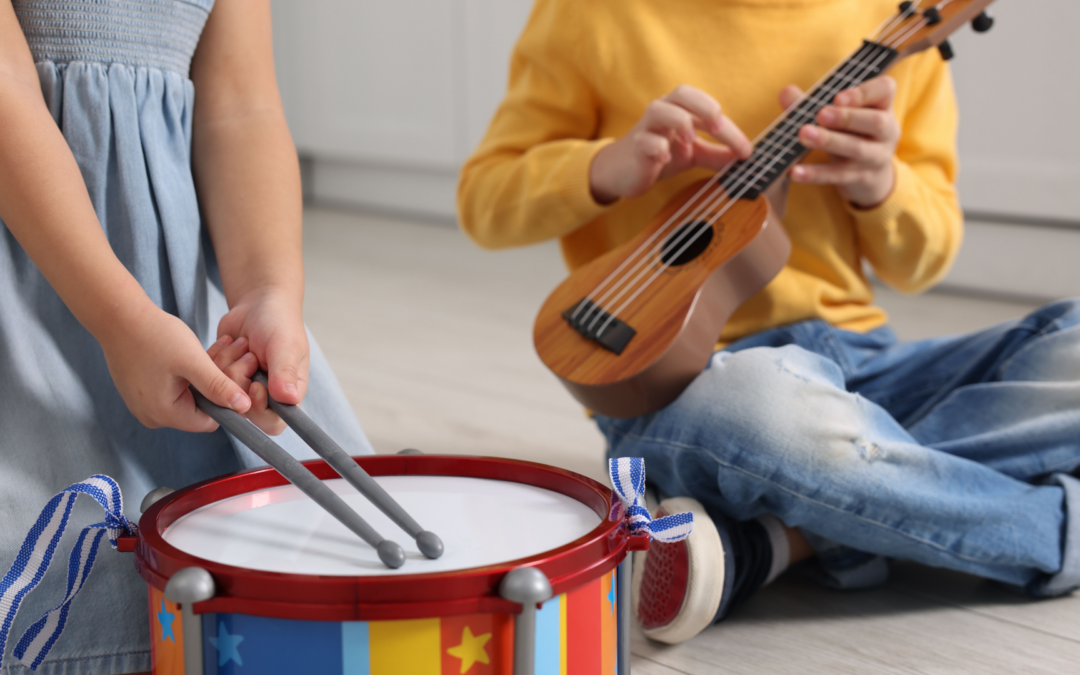
  • Instruments: Using shakers, drums, bells, rhythm sticks, and tambourines
  • Movement games: Freeze dance, pass-the-heart games, and moving to music together

We also love creating DIY instruments, such as shakers made from recycled materials — a fun idea to try at home too.

Special Valentine Music Experiences

Throughout February, children may take part in:

  • Creating Valentine cards while listening to different styles of music
  • Friendship rhythm circles using heart-shaped drums
  • Valentine parades with decorated tambourines
  • Heartbeat echo activities, exploring how our hearts beat faster when we move

These experiences support creativity, confidence, and connection.

A Music-Rich Environment

At Sorella, music is woven throughout the day — during transitions, play, learning experiences, and quiet moments. We create spaces where children can explore instruments, move freely, listen to music, and express themselves in ways that feel right for them.

Music is also wonderfully inclusive. Activities are adapted to support different abilities, sensory needs, and learning styles, ensuring every child can participate and feel successful.

Learning That Lasts a Lifetime

Music supports all five EYLF Learning Outcomes — from building confidence and emotional regulation to expressing ideas and strengthening relationships. Most importantly, it brings joy.

This February, we invite families to sing along, clap together, and enjoy the magic of music — both at Sorella and at home.

Sources

Queensland Resources:

  1. Queensland Government – Early Childhood Education and Care
    https://earlychildhood.qld.gov.au/
  2. ACECQA – Early Years Learning Framework
    https://www.acecqa.gov.au/nqf/national-law-regulations/approved-learning-frameworks
  3. EYLF V2.0 (2022)
    https://www.acecqa.gov.au/sites/default/files/2023-01/EYLF-2022-V2.0.pdf
  4. Queensland Conservatorium – Early Childhood Music
    https://www.griffith.edu.au/arts-education-law/queensland-conservatorium/opportunities/open-conservatorium/early-childhood-music
  5. QPAC – Creative Learning
    https://www.qpac.com.au/engage/schools
  6. Early Childhood Australia – Music and Inclusion
    https://thespoke.earlychildhoodaustralia.org.au/music-and-inclusion/


Summer to School Transition: Helping Griffin families feel ready for Term 1

Summer to School Transition: Helping Griffin families feel ready for Term 1

As the summer holidays come to an end, it’s natural for routines to feel a little loose. Later bedtimes, slower mornings, relaxed meals and extra family time are all part of a Queensland summer—and none of that is a problem. It just means a gentle reset can help make the return to Term 1 smoother for everyone.

At Sorella Early Learning, we support families through this transition every January. Small, gradual changes over the next couple of weeks can make a big difference—bringing bedtimes and wake-ups forward, reintroducing regular meal times, and talking positively about returning to the centre. Even doing one “practice morning” can help children remember what their day looks like.

In the first few weeks back, some children settle quickly, while others need a little more time. Both are completely normal. Drop-offs may come with emotions, but children usually settle soon after parents leave, supported by familiar educators, friends and engaging activities. We’ll keep families updated through the app and stay in close contact if extra reassurance is needed.

We know this transition can feel big—for children and parents alike—but routines return faster than you might expect. By mid-February, mornings usually feel much easier again. Sorella Early Learning is here to support your family every step of the way, just as we do each year.

Term 1 starts on 27 January 2026. That means the six-week summer break is nearly over, and it’s time to shift from sleep-ins and beach days back to early wake-ups and structured routines.

Your Two-Week Action Plan

If you’re reading this in mid-January, here’s what to do now:

Start Sleep Adjustments

  • Move bedtime earlier by 15-20 minutes every 2-3 days
  • Move wake time earlier by the same amount
  • Keep it consistent even on weekends
  • Use blackout curtains if Queensland light is keeping them awake

Re-establish Meal Times

Holiday eating can be chaotic—snacks at odd times, treats at relatives’ houses. Try to get back in to a meal time routine.

  • Regular breakfast at your school-morning time
  • Lunch around midday
  • Dinner at a consistent time
  • Limit snacks to set times

Your child’s body needs to readjust to structured eating.

Do a Practice Run

Pick one morning this week and run through the entire childcare routine:

  1. Wake at actual time
  2. Toilet, wash, brush teeth
  3. Get dressed (real childcare clothes)
  4. Breakfast
  5. Pack bag
  6. Shoes on
  7. Get in the car

Time how long it takes. You’ll probably discover it’s 15-20 minutes longer than you remembered.

Start Talking About Day Care

Not constantly, but casually:

  • “Soon we’ll see Miss Emma again!”
  • “I wonder what’s in the sandpit now?”
  • “Remember how much fun water play was?”

Pull up photos from Storypark showing your child playing. Visual reminders help reconnect with positive memories.

What to Expect:

For many children, a short, calm goodbye helps them settle more quickly than a long or uncertain one. While some tears at drop-off are normal, most children are comforted by educators and become engaged in play soon after parents leave.

Adjustment often happens in stages – some children settle straight away, others need a few weeks. Both responses are completely normal.

You’ve Got This

The transition feels daunting now, but routines re-establish quickly. By mid-February, Monday mornings will feel normal again. Your child will reconnect with friends and settle back into the Sorella rhythm.

At Sorella Early Learning, we help families through this every year. We know what we’re doing, and we’re here to support you every step of the way.

Contact Sorella Early Learning Centre

Need support with the transition?

Call us, send an email, or drop in for a chat. We’re here to help families, you can also complete a contact form here.

Sorella Early Learning Centre
32 Tesch Rd, Griffin QLD 4503
Phone: 07 2111 6711
Website: https://sorellaearlylearning.com.au/

Opening Hours: Monday-Friday, 6:30am-6:30pm

Sources

  1. Queensland Government Education. “School terms and public holiday dates.” Available at: https://education.qld.gov.au/about-us/calendar/term-dates
  2. KIS Academics. (October 2025). “2026 QLD School Term Dates & Holidays.” Available at: https://kisacademics.com/blog/qld-school-term-and-holidays-dates-for-2026/
  3. The Conversation. (October 2025). “5 tips to help ease your child back into school mode after the holidays.” Available at: https://theconversation.com/5-tips-to-help-ease-your-child-back-into-school-mode-after-the-holidays-129780
  4. Juggle Street. “Your Ultimate Back-to-School Guide: Everything You Need to Stay Organised.” Available at: https://www.jugglestreet.com.au/blog/your-ultimate-back-to-school-guide-everything-you-need-to-stay-organised
  5. DPS Warangal. (January 2025). “How to prepare your child for school after a holiday?” Available at: https://dpswarangal.in/blogs/how-to-prepare-your-child-for-school-after-a-holiday/
  6. Care for Kids. (July 2025). “Essential Childcare Tips for Working Mums During School Holidays.” Available at: https://www.careforkids.com.au/blog/school-holidays-and-childcare–how-does-it-work

The summer to school transition can be challenging, but with preparation and support, Griffin families can navigate it successfully. At Sorella Early Learning Centre, we’re ready to help your family start Term 1 2026 with confidence.

Future Skills Development: Preparing Children for Tomorrow

The 3 Day Guarantee: What Griffin Families Need to Know

Child Care Subsidy Changes Starting 5 January 2026

Starting 5 January 2026, every family eligible for Child Care Subsidy gets a significant boost: three guaranteed days of subsidised childcare every week, regardless of work hours. Let’s break down what’s happening and what it means for Griffin families.

What’s Changing on 5 January?

From 5 January 2026, all families who qualify for Child Care Subsidy (CCS) will automatically receive at least 72 hours of subsidised care per fortnight. That’s three full days every week, guaranteed.

What’s changing?

The activity test will no longer apply to the baseline level of subsidy. At the moment, the number of subsidised hours a family receives depends on work, study, or other approved activities, which can sometimes limit access to care.

From January, all eligible families will be entitled to at least three subsidised days each week. This means that whether you’re working full-time or part-time, juggling casual hours, studying, looking for work, or spending time at home, your child can access three days of subsidised early learning at Sorella.

Who may benefit from this change?

This update is likely to be helpful for many Griffin and Moreton Bay families, particularly those whose work or income can vary:

  • Low-income families – Families with little or no paid work will still be able to access at least three subsidised days, helping to reduce costs and support children’s participation in early learning.
  • Stay-at-home parents – Families who previously received limited or no subsidy may now choose up to three days a week of care with government support.
  • Casual and shift workers – For families whose hours change from week to week, the guaranteed three days offers reassurance and greater consistency, even during quieter periods.
  • Single parents with limited work hours – Families who previously qualified for fewer subsidised days may now have access to a more stable level of care.
  • Parents preparing to enter or return to the workforce – Having consistent child care in place can make it easier to look for work, study, or attend training.
  • Small business owners – Families with variable or seasonal income can rely on a stable baseline subsidy rather than seeing it fluctuate.

Real Griffin Scenario

One of our Sorella families includes a parent working around 15 hours per week in a casual role. Under the current Child Care Subsidy activity test, they are eligible for up to approximately 36 hours of subsidised care per fortnight.

From January 2026, under the new 3-Day Guarantee, this family will automatically be entitled to at least 72 hours of subsidised care per fortnight, regardless of activity level. This means their daughter can attend Sorella for three consistent days each week, supporting stronger routines, smoother transitions, and greater continuity in her learning – while also easing financial pressure for the family.

That’s the real-world difference this change can make.

Aboriginal and Torres Strait Islander Children

Families caring for Aboriginal and Torres Strait Islander children receive even more support: 100 hours of subsidised care per fortnight.

This enhanced entitlement is automatic once you’ve notified Services Australia that you’re caring for an Aboriginal and/or Torres Strait Islander child. You can update this information through your Centrelink online account via myGov.

Providing this information is voluntary, but if you’re eligible, it means substantially more subsidised hours for your family.

What If You Already Get More Than Three Days?

Good news – the 3 Day Guarantee doesn’t reduce anyone’s current entitlement.

If you already receive more than 72 hours because you meet higher activity levels, you keep everything you currently have. You can still access up to 100 hours per fortnight (five full days) if:

  • You and your partner each complete more than 48 hours of work, study, or other recognised activities per fortnight, or
  • You have an exemption or are experiencing exceptional circumstances

This policy lifts the floor without lowering anyone’s ceiling.

Do You Need to Do Anything?

For existing CCS recipients: Nothing at all. Services Australia will automatically update your entitlement on 5 January 2026 using information already on file. If you currently receive less than 72 hours, it’ll automatically increase.

For new CCS applicants: Apply through Services Australia as normal. The application process is being simplified from January onwards.

Understanding Gap Fees

This is important: the 3 Day Guarantee increases your subsidised hours but doesn’t change your subsidy percentage or eliminate gap fees.

Your gap fee (the difference between our fees and the government subsidy) is still calculated based on your family income, not your work hours.

Quick Example

Before 3 Day Guarantee:

  • You qualify for 1 day subsidised per week
  • Child attends 2 days
  • Day 1: subsidised (you pay gap fee)
  • Day 2: full price (no subsidy applies)
  • Weekly cost: high

After 3 Day Guarantee:

  • You qualify for 3 days subsidised per week
  • Child attends 3 days
  • All 3 days: subsidised (you pay gap fee on each)
  • Weekly cost: much lower overall

You’re accessing more hours for less money, even though gap fees still apply to each subsidised day.

Why This Policy Exists

The Australian Government recognises that quality early childhood education benefits all children, not just those whose parents work full-time.

Research consistently demonstrates that children who attend early learning centres develop stronger:

  • School readiness skills
  • Social and emotional capabilities
  • Language and communication
  • Problem-solving abilities
  • Confidence and independence

Three days per week provides enough consistency for children to truly benefit—stable educator relationships, continuity in learning, and time to form meaningful friendships.

For Moreton Bay families, it’s also a crucial cost-of-living measure making early learning more accessible across all income levels and employment situations.

What Griffin Families Should Do Now

Check your current entitlement: Log into myGov and access your Centrelink account to see current subsidised hours. If it’s under 72 hours per fortnight, you’re about to receive a boost.

Consider your ideal schedule: Would three days at Sorella work better for your family than your current arrangement? What days suit you best?

Contact Sorella: If you want to adjust your booking days from January, call us on 07 2111 6711 or visit us at 32 Tesch Road to discuss options and availability.

Update Centrelink details: Ensure your information is current, particularly if you’re caring for an Aboriginal or Torres Strait Islander child and haven’t registered that yet.

If you’re already with us, you may wish to consider whether three days could support your child’s learning and your family routine – please reach out if you’d like to chat about options.

If you’re new to Sorella and cost has been a barrier, the 3-Day Guarantee may make consistent care more achievable. And if you have questions, we’re here to help—many families are navigating this change together.

Call us, send an email, or drop in for a chat. We’re here to help families understand and benefit from these changes. You can also complete a contact form here.

Official Resources

Services Australia – Child Care Subsidy Changes
https://www.servicesaustralia.gov.au/child-care-subsidy-ccs-changes
Check your entitlement and update your details

Australian Government Department of Education – 3 Day Guarantee
https://www.education.gov.au/early-childhood/providers/child-care-subsidy/3-day-guarantee
Official policy details and implementation information

Starting Blocks – 3 Day Guarantee Information
https://startingblocks.gov.au/resources/what-to-expect/3-day-guarantee-changes-to-child-care-subsidy-ccs
Parent-friendly explanation of changes

Sources

  1. Australian Government Department of Education. “3 Day Guarantee.” Available at: https://www.education.gov.au/early-childhood/providers/child-care-subsidy/3-day-guarantee
  2. Australian Government Department of Education. “Fact Sheet – 3 Day Guarantee – Early Education.” Available at: https://www.education.gov.au/about-department/resources/3-day-guarantee-early-education
  3. Services Australia. (December 2025). “Child Care Subsidy (CCS) changes.” Available at: https://www.servicesaustralia.gov.au/child-care-subsidy-ccs-changes
  4. Services Australia. (November 2025). “Changes to Child Care Subsidy (CCS).” Available at: https://www.servicesaustralia.gov.au/changes-to-child-care-subsidy-ccs
  5. Starting Blocks. “Child Care Subsidy | 3 Day Guarantee.” Available at: https://startingblocks.gov.au/resources/what-to-expect/3-day-guarantee-changes-to-child-care-subsidy-ccs
  6. ACECQA. (September 2025). “3 Day Guarantee: Changes to the CCS activity test from January 2026.” Available at: https://www.acecqa.gov.au/latest-news/3-day-guarantee-changes-ccs-activity-test-january-2026
  7. Goodstart Early Learning. “The 3 Day Guarantee: A Transformative Step for Universal Access to Early Learning in Australia.” Available at: https://www.goodstart.org.au/parenting/the-3-day-guarantee
  8. Lady Gowrie Queensland. (December 2025). “What the New 3 Day Guarantee Means for Queensland Families.” Available at: https://gowrieqld.com.au/what-the-new-3-day-guarantee-means-for-queensland-families/

The 3 Day Guarantee represents a significant step toward universal early childhood education in Australia. At Sorella Early Learning Centre, we’re committed to helping Griffin and Moreton Bay families understand and access these changes starting 5 January 2026.

Sustainable and Eco-Friendly Christmas Decorations: Celebrating Mindfully with Children

Sustainable and Eco-Friendly Christmas Decorations: Celebrating Mindfully with Children

December in Queensland means sunshine, jacarandas, and Christmas excitement. But it also means mountains of single-use decorations ending up in landfills before the new year begins.

At Sorella Early Learning in Griffin, we believe Christmas can be magical and beautiful without compromising our commitment to the environment. We’re raising children who will inherit this planet—teaching them to celebrate mindfully isn’t just nice, it’s necessary.

This isn’t about taking fun out of Christmas or creating guilt. It’s about discovering that sustainable decorations can be more meaningful, creative, and memorable than anything shop-bought. It’s about children creating treasures from natural materials while developing environmental awareness alongside festive joy.

Why Sustainable Christmas Matters

The environmental impact is significant. Millions of plastic decorations are purchased, used briefly, and then discarded. Most are made from fossil fuel-derived plastic, manufactured overseas, shipped thousands of kilometres, used for weeks, then stored or thrown away.

Early childhood is when environmental values form. Children who learn to create rather than consume, value natural materials, reuse and repurpose, and think about waste carry these values into adulthood.

Creativity beats consumption. Children who make their own Christmas ornaments develop fine motor skills and creativity, feel genuine pride, learn that joy doesn’t require spending money, and build memories connected to making, not buying.

Natural Materials: Bringing the Outside In

Queensland’s natural environment provides abundant, free, beautiful materials for Christmas decorations.

Collecting Mindfully

We take children on nature walks to collect:

  • Fallen leaves, seed pods, twigs, branches
  • Pine cones (if available locally)
  • Gum nuts and seed cases
  • Bark pieces, flowers, grasses

Important: Only take what’s already fallen, never pick from living plants. Taking only what we need, leaving plenty for wildlife. This collecting becomes educational—observing nature, understanding seasons, and respecting ecosystems.

Natural Decorations We Create

Eucalyptus garlands – Stringing gum leaves on natural twine. Fragrant and beautifully Australian.

Pinecone ornaments – Painted tips, biodegradable glitter, hung with twine.

Twig stars – Five similar twigs bound together with twine.

Leaf wreaths – Cardboard circles decorated with glued gum leaves, seed pods, and berries.

Seed pod baubles – Larger pods painted, glittered, and hung.

Branch Christmas trees – Branches arranged in tree shapes on walls instead of plastic trees.

Dried orange garlands – Sliced oranges dried slowly, then threaded. Beautiful and fragrant.

Pressed flowers – Flowers pressed throughout the year become decorations, sun catchers, and bookmarks.

Natural decorations are temporary (and that’s okay—they compost). This teaches impermanence and natural cycles.

Recycled and Upcycled Creations

Before anything goes into recycling at Sorella, we ask: “Could this become Christmas magic?”

Paper and Cardboard

Cardboard boxes become flat Christmas trees for walls, 3D standing trees, or display stands.

Toilet paper rolls transform into sliced flower/snowflake rings, painted characters (Santa, reindeer), or glittered baubles.

Newspapers and magazines create paper chains, folded stars, rolled beads, or decoupage ornaments.

Egg cartons cut and painted become beautiful flowers for wreaths or garlands.

Bottle caps turn into mini wreaths, snowflake centres, or stamped ornaments.

Glass, Fabric, and More

Mason jars become snow globes (with biodegradable glitter) or lanterns with battery tea lights.

Wine bottles painted or used as vases for fresh greenery.

Scrap fabric cut into triangles for colourful bunting.

Old socks filled with rice become adorable snow people.

Denim from old jeans cut into rustic ornaments.

What we love: They cost nothing, prevent waste, each is unique, children see “rubbish” transformed into beauty, and creativity is unlimited.

Edible Decorations: Beautiful and Biodegradable

Gingerbread ornaments – Children help make dough, cut shapes, and decorate. Smells incredible, can be eaten or composted.

Popcorn and cranberry garlands – Traditional threading activity building fine motor skills. Birds can eat them when removed outside.

Sugar cookies – Cut in festive shapes, decorated beautifully, hung on trees, and eventually eaten.

Orange pomanders – Oranges studded with cloves. Smell wonderful, dry naturally, and compost easily.

Dried fruit ornaments – Dehydrated orange, lemon, and apple slices hung individually or in garlands. Completely compostable.

Make fresh each year, keep away from pets, accept deterioration, and compost what isn’t eaten.

Sustainable Decoration Practices

Buying mindfully when necessary:

  • Choose quality over quantity
  • Select natural materials (wood, felt, paper) over plastic
  • Support local artisans
  • Choose items that last years

Storage and reuse:

  • Store carefully in reusable containers
  • Repair rather than replace
  • Donate what you no longer use
  • Keep only what you’ll display

Wrapping sustainably:

  • Fabric wraps (furoshiki)
  • Newspaper decorated with stamps
  • Brown paper with natural twine
  • Reusable gift bags
  • Children’s artwork as wrapping
  • Skip wrapping for some gifts

End-of-season:

  • Compost natural decorations
  • Recycle cardboard and paper
  • Donate unused items
  • Store quality pieces
  • Landfill only as a last resort

Teaching Environmental Awareness Through Christmas

Sustainable decorating becomes a teaching opportunity.

Conversations we have:

  • “Where do things go when we throw them away?”
  • “Why do we only take fallen leaves?”
  • “Could we make this instead of buying it?”
  • “These orange slices will compost and help new plants grow.”

Books that support environmental awareness: “The Lorax,” “Where the Forest Meets the Sea,” “Window,” “One Plastic Bag,” “Michael Recycle”

Age-appropriate concepts:

  • Toddlers: Gentleness with nature, putting rubbish in bins, caring for living things
  • Preschoolers: Recycling vs rubbish, where materials come from, reusing, composting
  • School-age: Climate change basics, plastic pollution, conservation, sustainable choices

Practical Ideas for Families

This week: Take a nature walk, save toilet rolls and boxes, and start a craft materials collection.

This month: Make one batch of natural decorations, create edible ornaments, craft from recycled materials.

This year: Establish creating traditions, build a reusable decoration collection, and teach environmental impact.

Long term: Move toward a fully sustainable Christmas, build family traditions around making, not buying, recognise that progress matters more than perfection.

Our Commitment at Sorella

Environmental sustainability isn’t just a December focus at our Griffin centre—it’s woven through everything year-round.

Our practices: Reducing single-use plastics, composting, recycling and upcycling, teaching environmental awareness daily, connecting children with nature, and modelling sustainable choices.

During Christmas: Creating decorations from natural and recycled materials, avoiding new plastic decorations, composting what we can, involving children in sustainability decisions, making environmental awareness joyful, not burdensome.

The Beauty of Imperfection

Our sustainable decorations aren’t perfect. They’re wonky, imperfect, fragile, unique, and absolutely meaningful.

The cardboard tree isn’t straight. The gum leaf garland is uneven. The orange slices are different sizes. The twig stars are asymmetrical.

But they were made with care, creativity, and learning. They tell stories. They represent values we’re teaching.

That’s worth more than any mass-produced perfection.

Join Our Sustainable Journey

See how we integrate environmental awareness into daily learning at Sorella Early Learning, 32 Tesch Rd, Griffin.

Watch children create beauty from natural materials, transform “rubbish” into treasures, and develop environmental values alongside developmental skills.

Call 07 2111 6711 to arrange a tour or check sorellaearlylearning.com.au to learn more.

Because teaching children to care for the planet is as fundamental as teaching them to read, count, or make friends—it’s preparing them for the future they’ll inherit.

This Christmas, let’s create beauty, build memories, and celebrate joyfully while honouring the environment that makes life possible.

Recommended Resources on Sustainable Practices and Environmental Education

Australian Environmental Organisations:

  1. Clean Up Australia
    https://www.cleanup.org.au/
    Resources on reducing waste, environmental education, and sustainable practices for families and educators.
  2. Australian Conservation Foundation
    https://www.acf.org.au/
    Information on environmental issues, sustainable living, and taking action for the environment.
  3. Queensland Government – Sustainability
    https://www.qld.gov.au/environment/
    State resources on environmental education, waste reduction, and sustainable practices.

Environmental Education for Children:

  1. Cool Australia – Environmental Education
    https://www.coolaustralia.org/
    Curriculum-aligned environmental education resources for early learning through secondary school.
  2. Sustainability Victoria – Schools Program
    https://www.sustainability.vic.gov.au/
    Although Victorian, provides excellent resources applicable across Australia on sustainability education.
  3. Little Green Steps
    https://littlegreensteps.com.au/
    Australian website dedicated to sustainable living with children, including craft ideas and environmental education.

Sustainable Christmas Specific:

  1. 1 Million Women – Sustainable Christmas
    https://www.1millionwomen.com.au/
    Australian women’s environmental movement with excellent sustainable Christmas resources.
  2. Sustainable Salons – Recycling Programs
    https://sustainablesalons.org/
    Australian program showing creative recycling and upcycling approaches applicable to decorations.

Craft and Activity Ideas:

  1. Kidspot – Eco-Friendly Crafts
    https://www.kidspot.com.au/things-to-do/activity-articles/
    Australian parenting site with sustainable craft ideas and natural material activities.
  2. Planet Ark – Environmental Education
    https://www.planetark.org/
    Australian organization promoting environmental sustainability with resources for families and educators.

These resources support sustainable practices and environmental education in early childhood settings and homes.