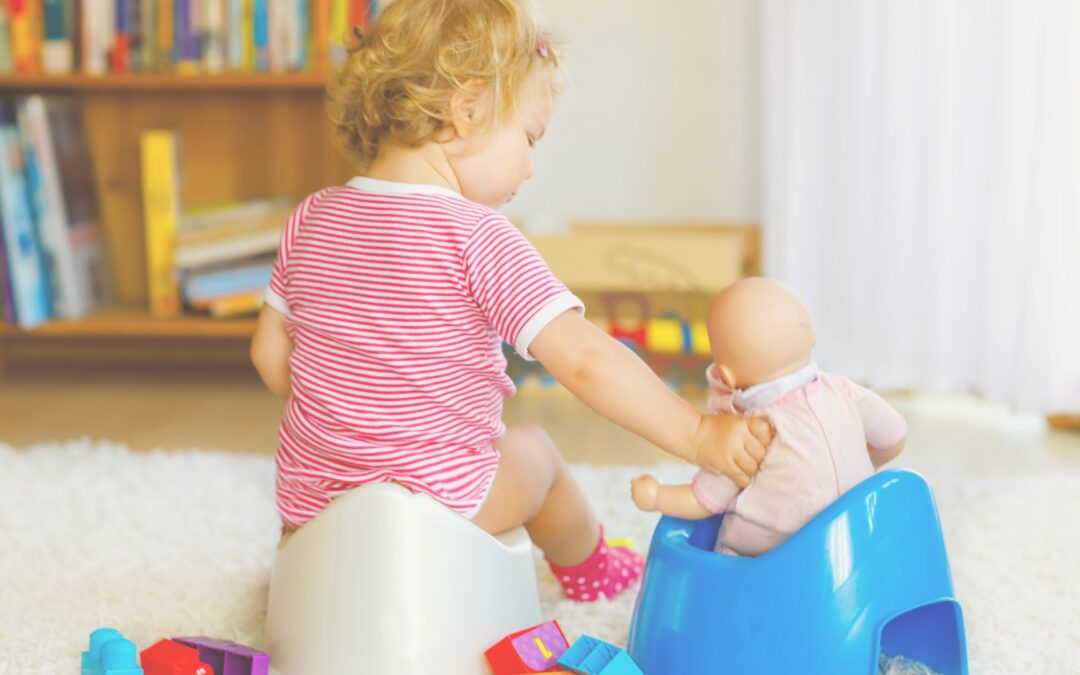
Toilet training or potty training marks a significant milestone for both parents and toddlers. It can be a trying and occasionally exhausting journey, but it’s a crucial step towards independence and self-care for young children. Here are some tips for a successful toilet training experience:
Timing
There’s no one-size-fits-all when it comes to the “right” age to commence toilet training because each child is unique. Nevertheless, most kids are ready somewhere between the ages of 2 and 3. Watch for signs of readiness like an interest in the bathroom, longer periods of staying dry, and expressions of discomfort when dealing with a soiled diaper.
Preparation
Before embarking on toilet training, prepare your child by reading books about using the toilet, discussing what to expect, and allowing them to choose their own toilet seat or step stool.
Consistency
Consistency plays a pivotal role in toilet training. Establish a routine and stick to it, regularly taking your child to the toilet throughout the day. Encourage your child to sit on the toilet even when they don’t feel the urge, as it helps establish the habit.
Positive Reinforcement
Celebrate and reward your child for successful toilet trips. This can be as simple as clapping and saying “well done!” or offering a small treat or a sticker. Avoid punishing or shaming your child for accidents, as this can create negative associations with toilet use.
Patience
Toilet training is a journey that demands both time and patience, and there may be occasional setbacks. Maintain a positive and supportive attitude, and keep in mind that every child progresses at their own pace.
It’s essential to recognise that every child is distinct, and there’s no one-size-fits-all approach to toilet training. Some children may take a bit longer to become fully independent in using the toilet, and that’s perfectly fine. If you encounter challenges or have concerns about your child’s progress, don’t hesitate to consult with your child’s GP or a child development specialist.
Welcome to a brand new chapter, where the excitement of new beginnings and the uncertainties of unfamiliar territory mix with a lot of emotions—for both you and your little one. Starting at a new center is a remarkable milestone, but it comes with its fair share of challenges: new friends to make, new spaces to explore, and new routines to adapt to. It’s a lot to take in!
As your child begins to settle into this new environment, don’t be surprised if tears and tantrums become part of the equation. It’s natural to find yourself questioning whether you’re making the right decisions – but let us assure you, nobody knows them better than you do so trust your instincts. These challenges are part of your child’s normal growth, even if they aren’t always comfortable for either of you.
If you are looking for ways to best support your little one during the drop-off process, here’s our advice.
Leave enough time at drop off, so it isn’t rushed (if you can) Asking your child to show you something they enjoy doing can help ease the transition into care. They become distracted or engaged and they don’t have to say goodbye straight away. But be careful not to hang around too long, as this can have the opposite effect.
Always say goodbye This one is a hard one. The temptation is to sneak out while they are happy, and it makes sense. However, more often than not this can cause them to take longer to settle over time. Next time they are dropped off they may be more hesitant to leave your side as they think you will disappear. So as hard as it is, always say goodbye. And then leave quickly, don’t linger once you’ve said you’re leaving.
Talk with your child Talk to your child about their day, what they like to play with, who they like to play with, and what they are looking forward to. You can then use this to help reassure them when they need it.
Communicate with your child’s Educator Let them know what your child likes to do at home. Let them know how you help settle your child at home. Ask your Educator what your child likes to play with. At pick-up time, ask what activities will be happening the next day so that you can talk to your child about what to expect.
Provide a child with your timeline Your child feeling uncertain at drop off can sometimes be because they don’t understand that it is not forever. Or it can feel like a long time to them. Giving them a timeline they can understand and let their Educator know so they can help with this. For example… “After you have had afternoon tea and a play, I will be back to collect you, then we can go to the park.”
Call the Centre if you are going to be late This one is a good one, especially for older children. Ask the Educators to pass on the message to your child so they know you will be a little late and why, or if someone else is going to be collecting them instead.
Not every tantrum or meltdown means there is something wrong Another important thing to remember is that often tears and tantrums can be attributed to other things. They don’t always mean that something is wrong. When a child is going through a developmental leap or growth spurt, hasn’t slept enough, or is hungry; these can all come out as big emotions. So it is important to talk with your Educators to understand; Whether this is new? Has something happened? More often than not your child will be fine. Once you are out of sight and they are busy, your child will generally settle pretty quickly. Working with your child’s Educator and being consistent in how you handle transitions will go a long way to helping your child regulate their emotions and handle separation.
Children can attend a Kindy program either in the Kindy Room of an Early Learning Centre or at a stand-alone Kindergarten. There are many benefits to each type of program and your choice will depend on the needs of your child and family. We highly recommend attending Kindy information sessions or open days and try to meet the Kindergarten teacher as part of the decision process.
Kindergarten is an important year in your child’s development and as it sets the foundation for future learning. It is a time when children learn through play and develop the skills they will need to thrive at school and become lifelong learners.
Kindy at Sorella
Our specialised Kindergarten Program, led by a university-qualified Early Childhood Teacher, ensures an excellent start to each child’s school years. Working closely with the children, our Kindy Teacher supports their school readiness and establishes a strong foundation for their future learning journey.
Our approach combines child-initiated and teacher-led activities, centered around your child’s interests and the wonders of nature. We prioritise creating an enjoyable and educational experience, nurturing emotional regulation, individuality, interests, ideas, and creativity as they develop in our care.
As an Early Learning Centre we offer care for children from babies through to school age. This means that your child can attend a Kindergarten program in a centre in which they are already settled and have good relationships with friends and educators – and if siblings are able to attend the same centre, it makes drop off and pick up a lot more convenient for families.
Our Kindy room receives State Government Kindy funding and families are also eligible for their Child Care Subsidy payments which reduce their fees.
We hope that you will choose Sorella Early Learning Centre for your child’s Kindergarten year and welcome any further questions that you have!
As parents, we eagerly anticipate our child’s first words and often worry about their speech development in those early years.
Early speech and language development play a significant role in a child’s growth and development and children having difficulties with these skills may struggle with social interactions, academic performance, and confidence.
So, let’s explore the typical speech and language milestones to look out for in your children – remember, every child develops at their own pace, but there are general milestones you can look out for.
6-12 months: babbling, imitating sounds, and responding to their name
12-18 months: saying a few words, understanding simple instructions, and pointing to objects of interest
18-24 months: saying 50 or more words, combining two words (such as “more milk”), and following simple two-step instructions
2-3 years: saying simple sentences, answering simple questions, and engaging in back-and-forth conversations
3-4 years: using more complex sentences, asking questions, and telling stories
How can you Support Your Child’s Speech Development?
Talk, talk, talk
One of the simplest and most effective ways to support your child’s speech development is to talk to them! Narrate your day-to-day activities, point out objects and their names, and encourage your child to respond and ask questions.
Read together
Reading with your child is a great bonding activity and exposes children to new words, sentence structure, and storytelling skills. Encourage your child to ask questions, point out objects in the illustrations, and get them to share what they think might happen next in the story.
Play and engage in conversations
Playing and engaging in conversations with your child provides them with opportunities to practice their speech and language skills in a fun and interactive way. Ask open-ended questions, play games that require turn-taking, and encourage your child to use their imagination and storytelling skills.
Seek professional help if you need it
If you have concerns about your child’s speech or language development, a speech-language specialist can evaluate your child’s skills and provide recommendations for support and intervention if needed.
The more exposure your child has to language, the more opportunities they have to practice!